Confined Space ACOP: What have we learned 10 years on?
A decade after the Confined Spaces Approved Code of Practice (ACOP L101) was amended, Allan Burdett, Senior Health & Safety Consultant, revisits the key lessons, recurring misunderstandings and practical duties that still shape safe confined space management today.
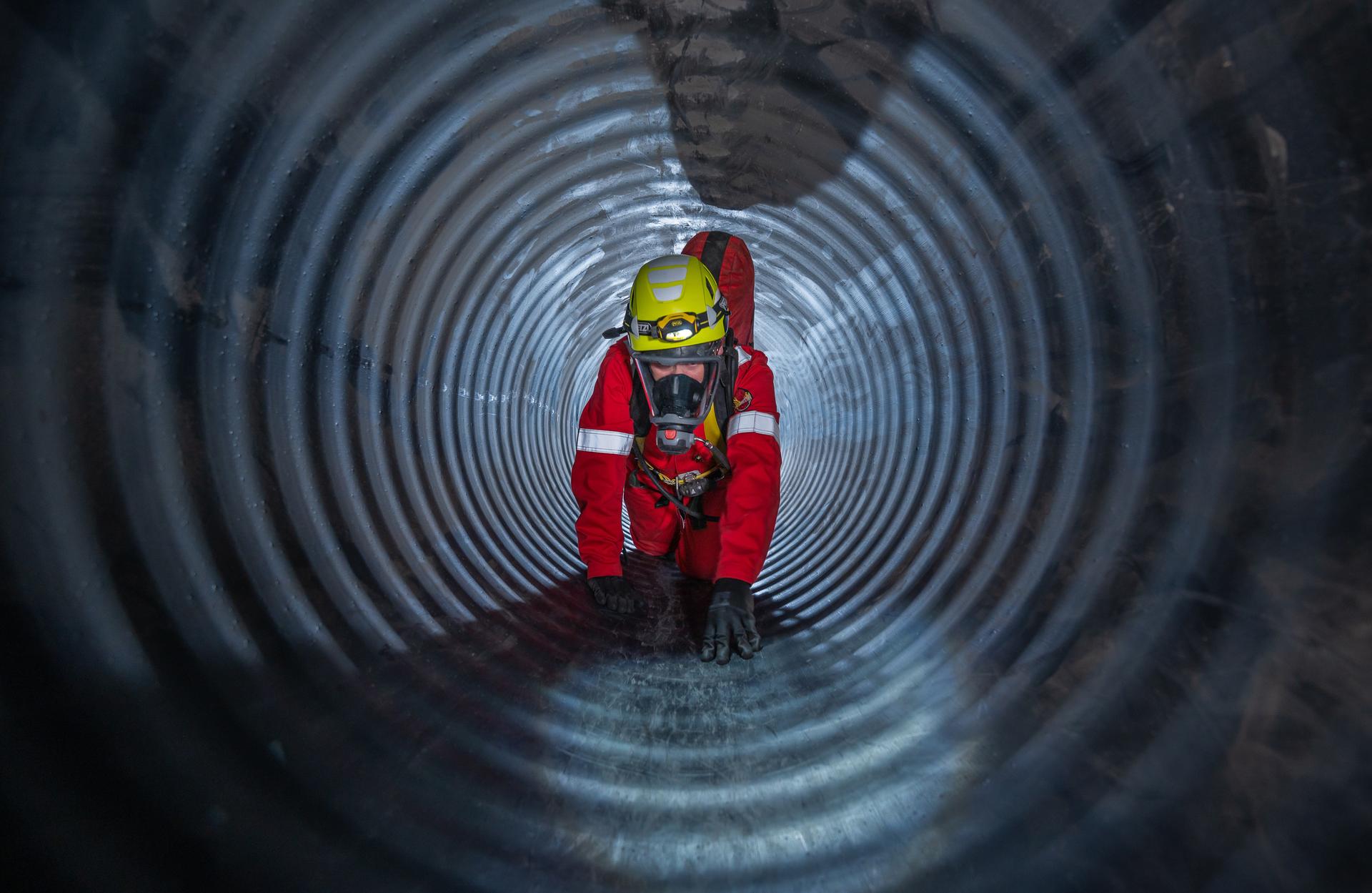
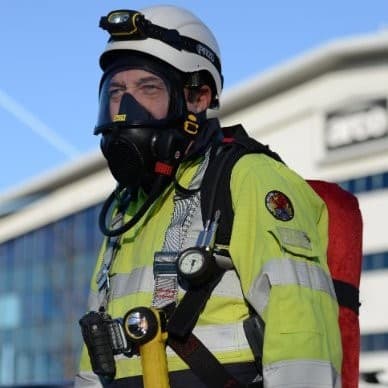
More than 10 years after the Confined Spaces ACOP was amended, its core principles remain highly relevant. However, experience shows that many organisations still struggle with how to interpret and apply the guidance in practice. From defining ‘substantially enclosed’ spaces to evidencing safe atmospheres, competence and rescue arrangements, the biggest challenges often lie not in the wording of the ACOP, but in how duty holders translate it into day-to-day decision-making.
Why the ACOP still matters
The ACOP remains deliberately non-prescriptive. It requires employers and duty holders to think critically, justify their approach and demonstrate that controls are suitable and sufficient for the hazards present. That flexibility is valuable, but it can also lead to inconsistent interpretation. Ten years on, recurring issues continue to appear across confined space training programmes, risk assessments, atmosphere testing regimes and emergency arrangements.
Understanding specified risk and enclosure
One of the most common areas of uncertainty is determining when a space is confined. The ACOP makes clear that there must be a reasonably foreseeable risk of serious injury from specified risks, and that a space can be substantially, though not always entirely, enclosed. This means duty holders should consider the potential severity of an incident, not only the likelihood of exposure. A large or infrequently accessed area may still fall within the definition if the enclosure could allow a hazardous atmosphere or other specified risk to develop.
Controls do not automatically remove confined space status
Another persistent misunderstanding is the assumption that effective controls mean a space is no longer confined. In practice, controls reduce risk; they do not necessarily eliminate the specified risk or the enclosure. True declassification requires evidence that the relevant risk or physical condition has been removed. Where work activities create a confined space, such as welding, cleaning or oxygen displacement, the space should remain treated as confined until testing confirms that oxygen levels and contaminants have returned to safe conditions.
Atmosphere testing and equipment reliability
Atmospheric testing remains one of the most critical safeguards in confined space work. Equipment must be appropriate for the atmosphere being tested, calibrated correctly and maintained in line with manufacturer recommendations. Sampling lines, tubes and probes should also be checked for cleanliness, integrity and adequate purge time. A reading is only meaningful if the equipment, sensor and sampling method are suitable for the contaminants or gases that may be present.
Competence, suitability and refresher training
The ACOP expects training to be appropriate to the task, the environment and the specific hazards involved. Certificates alone do not prove competence. Duty holders should also consider practical understanding, site familiarity, physical capability and medical suitability. Refresher training should be driven by risk and experience, not only by certificate expiry dates. Where workers have not entered confined spaces for a significant period, competence may need to be refreshed earlier.
Rescue arrangements must protect everyone involved
Emergency arrangements are another area where assumptions can create serious risk. Confined space rescue plans must protect entrants and rescuers, provide suitable resuscitation equipment where required and ensure communication can be maintained without introducing unnecessary additional entrants. Access, egress, lighting, respiratory protective equipment, inspection records and isolation arrangements should all be tested against realistic emergency scenarios. In confined space work, speed of response and confidence in equipment can be decisive.
Need help with confined space safety?
If your organisation needs support interpreting the Confined Spaces ACOP, reviewing risk assessments, improving rescue arrangements or developing practical training, Arco Professional Safety Services can help. Contact our team to discuss your requirements and find out how we can support safer confined space working.
About Allan Burdet
As Senior Health & Safety Consultant at Arco Professional Safety Services, Allan Burdett brings a wealth of practical experience and technical expertise to the services we offer. With extensive qualifications in occupational health and safety, confined space working, emergency rescue, teaching and specialist risk management, Allan supports clients with trusted guidance, training and skills development across high-risk environments. His background in safety, health and environmental management across sectors including environmental services, utilities and industrial operations gives him a practical understanding of the challenges organisations face when applying safe systems of work.
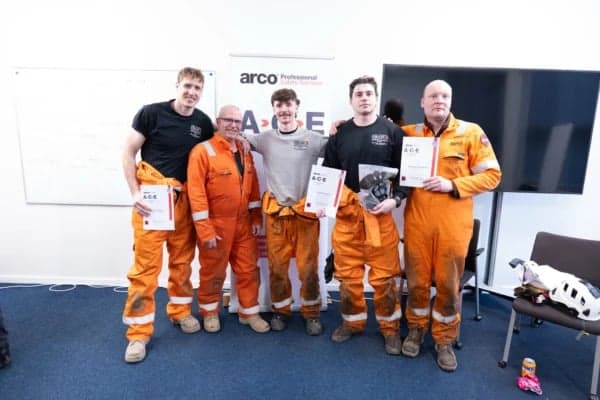
Confined space contest attracts top talent
Testing skilled confined space rescue teams to the limit, find out who took top honours in our latest Arco Challenge Event (A.C.E).
Read article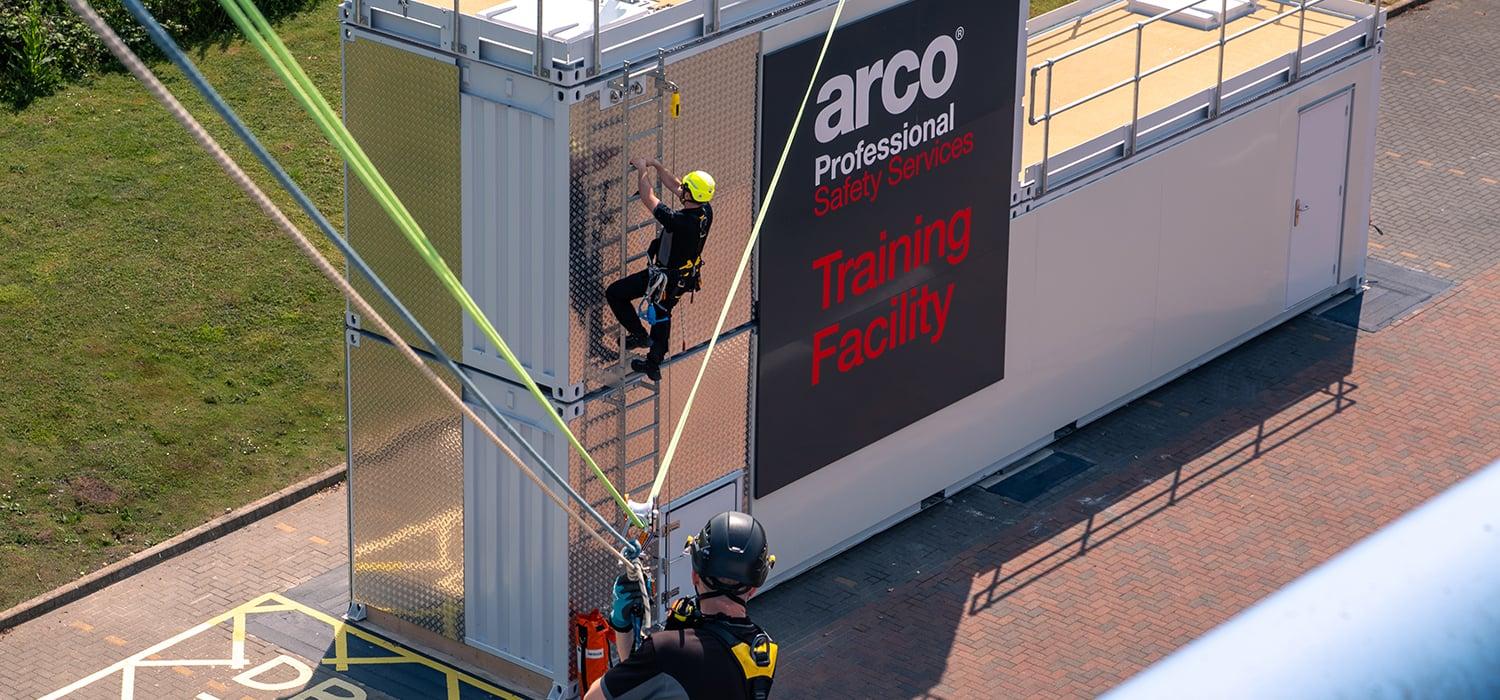
Our new Hull facility brings practical safety training to Yorkshire
We’re delighted to open our new practical training centre in Hull, expanding access to expert health and safety education for businesses and workers across Yorkshire and the wider region.
Read article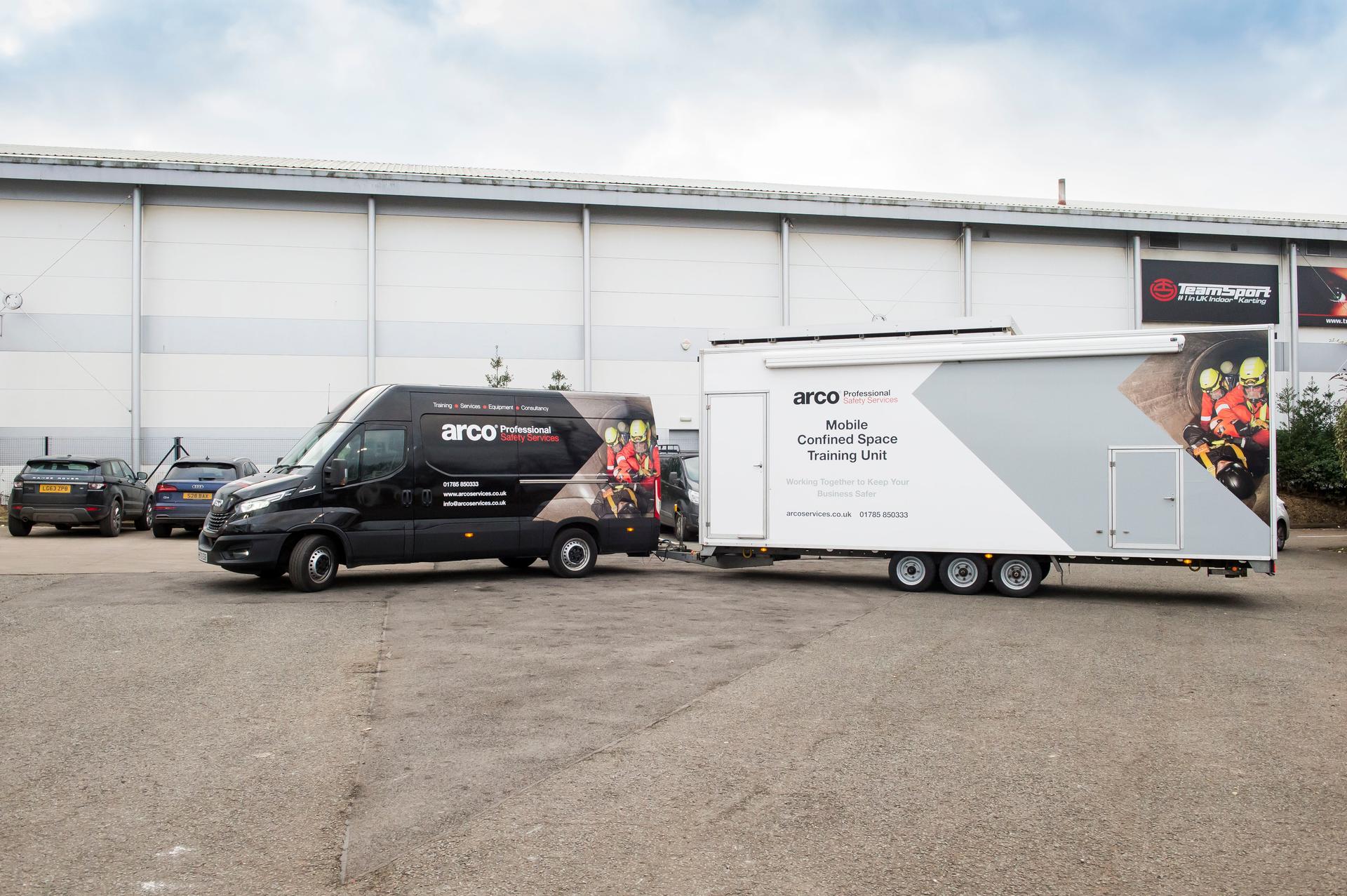
Bringing our confined space training to your workplace
Discover how significant investment in our confined space courses means we can now bring the training to you.
Read article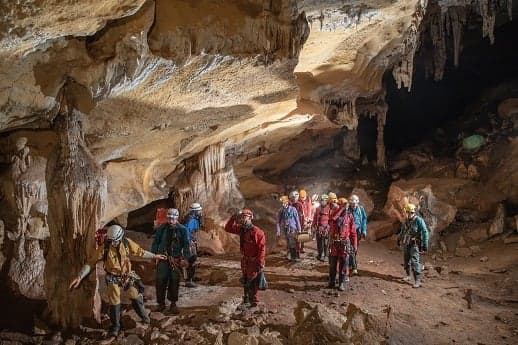
Arco experts support longest cave rescue in Welsh history
When a caver was seriously injured deep underground, expert rescuers faced one of the most demanding cave rescue operations in Welsh history. Specialists from Arco Professional Safety Services were among the volunteers who helped bring him safely to the surface.
Read article
Hard Hat Awareness Week: Helping you check your head protection
At Arco Professional Safety Services, we’re helping organisations bring head injury prevention to the forefront of workplace safety during Hard Hat Awareness Week and beyond.
Read article