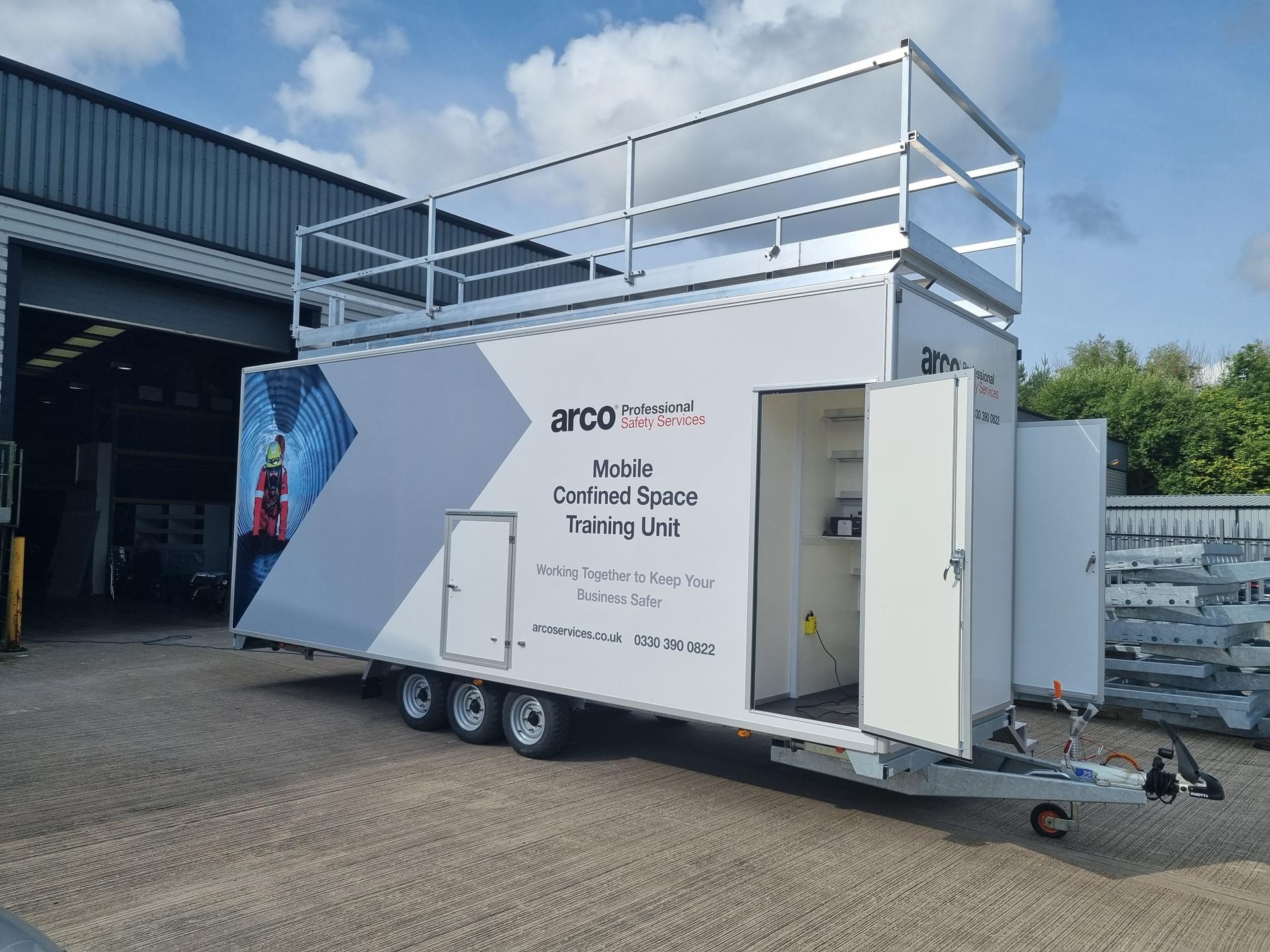
Confined Space Low-Risk with Mobile Training Unit
Learn to work safely in low-risk confined spaces in line with the Confined Spaces Regulations 1997. You'll develop the skills to identify hazards, apply risk assessment techniques, use gas monitoring equipment and follow permit-to-work procedures in environments where confined space hazards are present but controlled.
• Defining confined spaces and specified risks
The legal definition of a confined space, how to classify confined space types and identify the specified risks associated with low-risk enclosed environments.
• Risk assessment and hazard controls
How to apply risk assessment techniques and select appropriate control measures to manage identified hazards in low-risk confined spaces.
• Recognising atmospheric hazards
How to identify atmospheric hazards including oxygen deficiency, toxic gases and flammable atmospheres, and understand how conditions can change during entry.
• Using gas monitoring equipment
How to operate gas detectors correctly and interpret readings to make safe, informed decisions about entry and continued occupation.
• Safe systems of work and permit to work
How to implement permits to work, follow site-specific procedures and understand the roles and responsibilities of all parties during confined space operations.
• Communication during confined space operations
How to communicate clearly and effectively between the confined space entrant and the top man throughout entry, work and exit.
• Fall protection and rescue equipment
How to inspect and use tripods, winches and fall protection equipment in line with manufacturer and procedural requirements.
• Emergency response
How to recognise and respond effectively to emergency situations arising during confined space operations, including escalation and handover procedures.
• Practical exercises
Completion of practical confined space exercises and scenario-based simulations to reinforce safe entry, monitoring and emergency procedures in realistic conditions.
• Assessment
Practical observation of exercises and a short answer question paper, assessed by the course instructor.
Classroom-based theory combined with practical exercises and scenario-based simulations to reinforce hazard recognition, gas monitoring, equipment use and emergency response.
Operatives, maintenance staff and contractors who may be required to enter low-risk confined spaces such as small tanks, chambers or service ducts where hazards are present but controlled.
No pre-requisites required.