Access for Theatre Technicians Level 1 Training
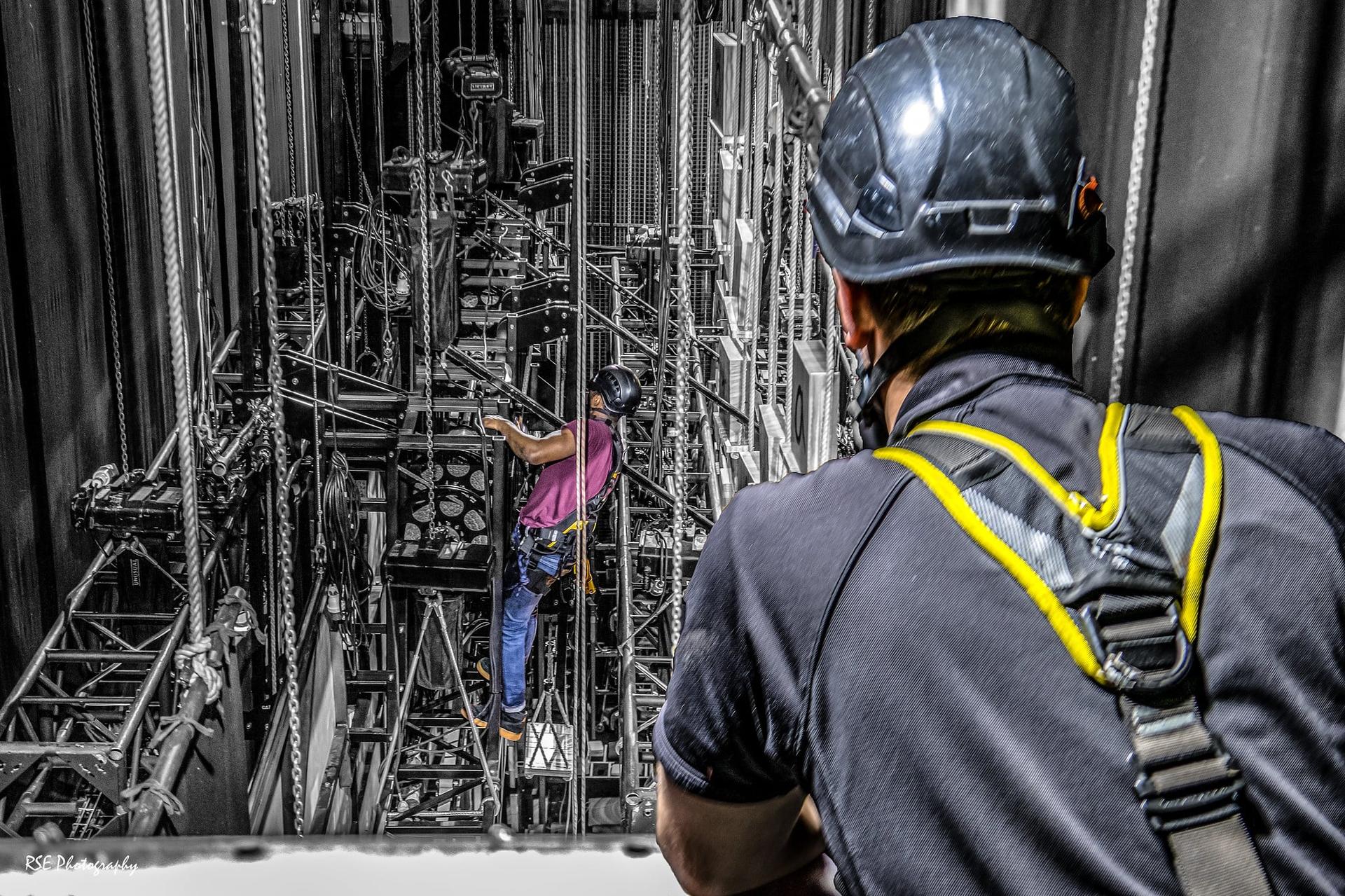
Theatre environments present unique working at height challenges from climbing rigging structures and selecting anchor points to performing rescues in confined overhead spaces with limited access. This course gives theatre technicians the knowledge and practical skills to work safely using personal suspension, fall arrest and restraint techniques, rig temporary safety systems and carry out casualty lifting and lowering using a rescue kit. On successful completion, delegates receive a certificate of competency valid for three years.
• Legislation and regulations
An overview of the legislation and regulations relevant to working at height in theatre environments, including the Work at Height Regulations 2005 and the duties placed on employers and employees. Understanding the hierarchy of control measures, the importance of suitable planning and supervision, and the requirements for selecting appropriate equipment, preventing falls and making suitable emergency arrangements.
• Risk assessment
Identifying hazards associated with working at height in theatres, including access to overhead rigging structures, exposed edges, suspended equipment, restricted working spaces and the presence of personnel below. Understanding how to assess the risks, select appropriate control measures and plan safe systems of work, taking account of access limitations, the working environment and the availability of suitable rescue arrangements.
• PPE inspection and fitting
Identifying the correct personal protective equipment (PPE) for different working at height activities, including full-body harnesses, helmets, fall arrest lanyards and work positioning lanyards. Understanding how to inspect equipment before use, identify signs of damage or deterioration, check compatibility between components and correctly fit and adjust a harness in accordance with manufacturer instructions. Recognising when equipment must be withdrawn from service and the importance of appropriate storage and maintenance.
• Anchor point selection
Understanding the requirements for selecting suitable anchor points for fall arrest, restraint and work positioning systems in theatre environments. Assessing potential attachment locations on rigging structures and other suitable supporting structures, considering load requirements, anchor suitability, connection methods and the direction of loading. Recognising the importance of using verified anchor points and ensuring that the complete system is suitable for the intended application.
• Fall arrest lanyard climbing
Developing the practical skills required to climb and move around suitable rigging structures using fall arrest lanyards. Understanding correct attachment techniques, clip sequencing and the importance of maintaining continuous protection while transferring between connection points. Recognising fall hazards, avoiding unsafe attachment practices and understanding the limitations of fall arrest equipment when accessing elevated working positions.
• Temporary horizontal systems
Understanding how temporary horizontal safety systems are selected, installed and used to provide fall arrest or restraint protection across a work area. Covering suitable anchor arrangements, system compatibility, tensioning requirements, clearance considerations and the effects of loading on the system. Recognising the importance of following manufacturer specifications and ensuring that the system is correctly configured for the number of users and the intended working activity.
• Retractable blocks
Understanding the operation and application of retractable fall arrest devices, including their suitability for different access and working situations. Developing the skills to carry out pre-use inspections, check the locking and retraction mechanisms, connect the device correctly and use it within the manufacturer's specified limits. Recognising the importance of suitable anchorage, correct device orientation, fall clearance and restrictions on use in different working positions.
• Rigging safety lines
Developing the practical skills required to install and use safety lines for fall arrest and restraint applications in theatre environments. Understanding anchor selection, secure connections, system configuration and the importance of keeping safety lines clear of obstructions and potential damage. Considering the risks associated with overhead work, including falling objects, conflicting activities and personnel working below, and applying suitable controls to protect others during installation and use.
• Rescue kit and casualty care
Identifying the components and purpose of a suitable rescue kit and understanding how rescue arrangements should be planned before work at height begins. Developing practical skills in setting up rescue equipment and carrying out casualty lifting and lowering procedures, including the controlled recovery of a suspended casualty from an elevated or restricted-access position. Understanding the risks associated with suspension intolerance, recognising potential signs and symptoms, and applying appropriate initial casualty care while arranging further medical assistance.
• Assessment
Continuous assessment of theoretical knowledge and practical skills throughout the course. Delegates are assessed by the course instructor on their understanding of relevant legislation, equipment inspection, safe working at height techniques, system rigging and casualty rescue procedures. Successful completion requires delegates to demonstrate the knowledge and practical competence necessary to carry out the activities covered by the course.
Course combining classroom theory with practical exercises in a theatre environment. Delegates apply PPE inspection, anchor selection, fall arrest system rigging, safety line installation and casualty rescue techniques through instructor-supervised practical sessions.
Theatre technicians and associated technical staff who work at height or are required to perform rescues within theatre environments.
No prerequisites required.