Article
Why You Should Avoid Buying Substandard Telescopic Ladders Online
Telescopic ladders have become popular for their convenience and space-saving design, but buying a cheap or substandard version online can be a serious safety risk. Many low-cost ladders sold on unverified platforms fail to meet essential safety standards, meaning they may not support the advertised weight or lock securely in place. This can lead to sudden collapses or instability during use, putting you at risk of falls and injuries.
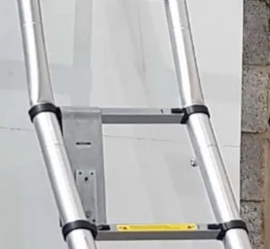
Another major concern is the lack of quality control. Reputable brands invest in rigorous testing and certification, while counterfeit or poorly made ladders often cut corners on materials and construction. Thin aluminum, weak locking mechanisms, and poor welds are common in substandard models. These flaws aren’t always visible in product photos, making it hard to judge quality before purchase.
Buying from unreliable sources also means limited or no warranty and poor after-sales support. If the ladder fails or arrives damaged, you may have no recourse for refunds or replacements. Trusted retailers and manufacturers provide guarantees and comply with safety regulations, giving you peace of mind that your ladder is built to last and safe to use.
Ultimately, a telescopic ladder is an investment in your safety. Spending a little more on a certified, high-quality product from a reputable seller ensures durability, stability, and compliance with safety standards. When it comes to working at height, cutting costs can lead to costly accidents—so choose wisely and avoid the risks of substandard ladders.
CLICK BELOW
Article
Work related mental ill-health, mainly stress, is the single largest cause of illness at work yet is rarely treated in the same way as many workplace issues.
Using a new chemical? Complete a COSHH assessment. Using a computer at work? Conduct a DSE Assessment. Got a stress at work problem? Many companies are still unaware of the legal requirement to carry out a Stress Risk Assessment or are avoiding doing so. The reality is that happier employees are more effective, so it is in the interests of all parties that this solvable problem is tackled rather than ignored.
Arco Professional Safety Services share key elements from their ‘Stress and Mental Wellbeing Course’ which can help managers acquire the knowledge and confidence to manage mental wellbeing and support their teams more effectively, both proactively and reactively whether issues are caused by work or outside factors.
Move to a Proactive Culture. Promoting wellbeing as a state to be talked about, worked towards and actively encouraged reduces negative stigma around the phrase ‘mental health’ and proactively talking about stress is one of the best ways to begin tackling it. Managers are ideally placed to help handle employee stress as they have a greater understanding of the people in their team, their roles and the workplace stress risk factors they face.
Clarify Available Resources. Popularising stress and mental wellbeing resources such as Stress Risk Assessments (SRA’s) and Wellness Action Plans (WAP’s) and making them easily accessible through company intranet links and proactive conversations increases awareness and the likelihood they will be utilised.
Hazard Spot. As with traditional health and safety hazards, identifying and managing issues that are likely to cause stress before they become problematic and intervening immediately where stress or mental ill-health is identified will be more cost effective, better for the individual, team, business and manager compared with ignoring the problem or leaving it too late.
Work or Personal Cause? Establishing whether the cause of stress is related to work, home or a combination of both is a vital first step and one that can build trust between person and manager and lead to the early identification of solutions.
Absence. When a person is absent due to mental ill-health, agree on a method and frequency of contact, and what they are comfortable speaking about including what should be kept confidential, then actively engage with the person as agreed. The sooner we engage and make the person feel visible, valuable, connected and supported, the speedier the return to work is likely to be.
Support. Support. Support. Avoid giving advice. Colleagues need to feel that they are being taken seriously, are listened to and supported. Managers shouldn’t assume that they know how their employees feel; instead, they should ask how they feel. If managers do not feel able to speak with their employees, it is important that they find someone who can, such as a mental health first aider, wellbeing champion or another person who can relate to the individual.
Stress Risk Assessments (SRA). Carrying out SRA’s based on the HSE Stress Management Standards to establish and resolve the causes of stress in the workplace is vital. If a person’s stress is work-related then it needs to be addressed at work and the causes tackled together at work rather than referring them elsewhere. Even if the person’s stress is not work-related, it is worth conducting an SRA to establish how the following factors may impact upon the person and whether adjustments may be required. The six key factors to assess in an SRA are:
- Demands; workload and what the person is having to deal with at work.
- Support; high demand needs high support.
- Role; is the role a demanding role; is the person suited to the role?
- Relationships; how they are getting on with peers, management etc.
- Control; do they feel in control of their working day?
- Change; how is the business managing changes and how are they coping with them?
Reasonable Adjustments. Once the causes of stress are established, reasonable adjustments can be made. Adjustments may be temporary until the person feels they can cope or permanent if the demands of the role are clearly unsustainable. Like a regular Risk Assessment, they key is to identify the risks and establish what can be done to remove, reduce or control them.
Phased Returns. Phased returns may involve shorter hours, removal and gradual re-introduction of job-role elements. Providing mentors and checking-in regularly (versus checking-up) can all help to prevent relapse and increase the likelihood of a faster and full recovery. The persons relationship with their manager is a key factor in the speed of return.
Wellness Action Plans (WAP). Whether work-related or not, encouraging employees to complete a WAP can help promote wellness in already healthy employees and help those suffering or returning from a mental ill-health absence by looking at many aspects of the persons situation and how wellness can be sustained or how they can be supported back towards wellness during difficult times.
Coaching for Personal causes. For non-work-related stress, managers can use a coaching approach. Coaching identifies personal recovery aims, realistic behavioural options and encouraging practical steps to act and move towards recovery. Helping employees identify what is causing their stress, why it is stressful to them, how they can tackle it and where they can go for help and support is key.
The Bio-Psycho-Social Model (BPS). This important model recognises the biological, psychological and social aspects in the onset of mental ill-health issues and in the move back towards wellness. Unhelpful behaviours in the three areas are identified and the person coached or encouraged to move towards more helpful behaviours. The question: “Is what the person is doing biologically, psychologically and socially……helpful or not?”
Biological: Diet, hydration, drugs and stimulants, medications, exercise, sleep and relaxation.
Psychological: “What is the person believing and saying about themselves, other people and the world?”
Social: “How are their relationships and interactions with other people?”
Employee Assistance Programmes (EAP). EAP’s offer a wide range of support aimed at providing practical help to an individual, including common mental health issues, bereavement, financial concerns and many more challenges people face in their day to day lives. Other support includes Human Resource assistance, Mental Health First Aiders, Wellbeing champions, useful websites, helplines and support groups.
Mental Health First Aiders (M.H.F.Aiders). M.H.F.Aiders can provide temporary support to struggling individuals and where necessary signpost them to sources of help and support. It is important that they are not viewed as counsellors or provided to avoid fixing the real sources of stress in the workplace.
Anxiety and Depression. When stress is repeated or prolonged it can cause anxiety and depression which are mental illnesses requiring diagnosis by a mental health professional. While medications are a key factor in many people’s recovery, a combination of biological improvements, psychologically healthier beliefs and internal language combined with better social interactions are likely to be more effective than the sole prescription of anti-depressants for example in the treatment of anxiety or depression. It is therefore important to ensure employees are receiving tailored care appropriate to their lives and personal situation. What is helpful in an individual’s recovery, is unique to that individual.
With the right support in place, positive mental health and wellbeing can be regained and sustained. Arco Professional Safety Services offer several courses to help clients develop a comprehensive approach towards Stress and Mental Wellbeing including;
- Stress and Mental Wellbeing for Managers
- Mental Wellbeing Awareness for Employees
- MHFAider training.
Article
30th June 2025
Arco’s Hull Facility Brings Practical Safety Training to Yorkshire
Arco, the UK and Ireland’s leading safety products and services company, marks the start of its Hull-based safety training courses with dramatic working at height display.
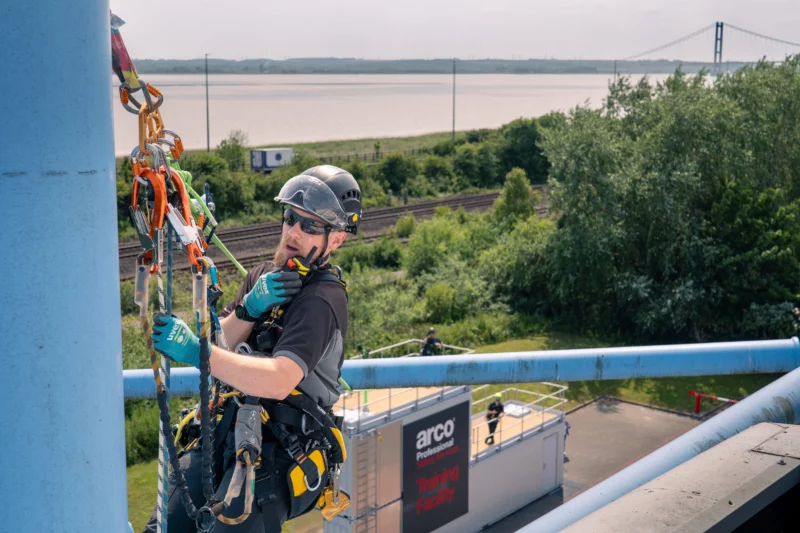
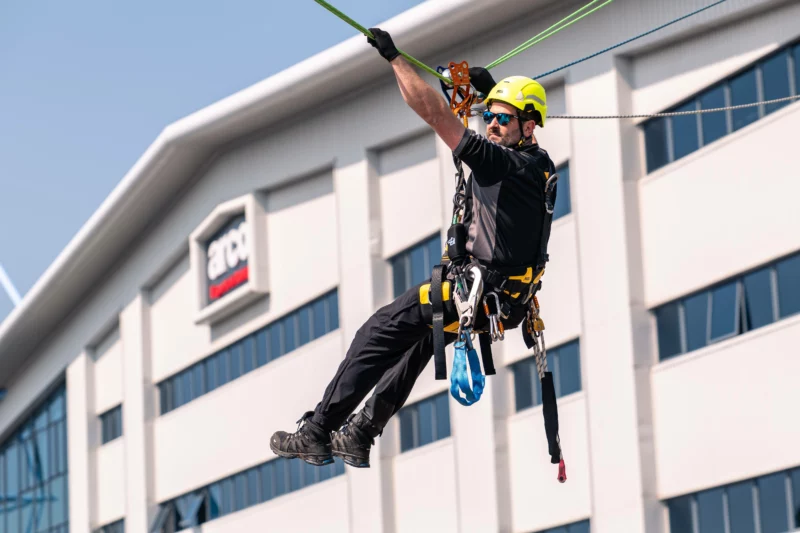
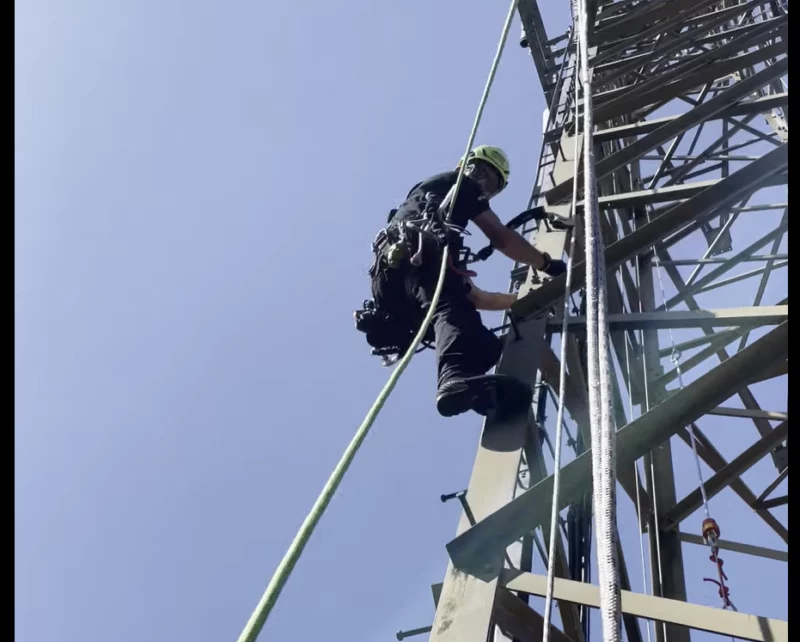
Arco’s Professional Safety Services team showcased their expertise with a dramatic working at height demonstration at the Hull Training Centre in June, , before traversing the ropes to deliver a striking visual display.
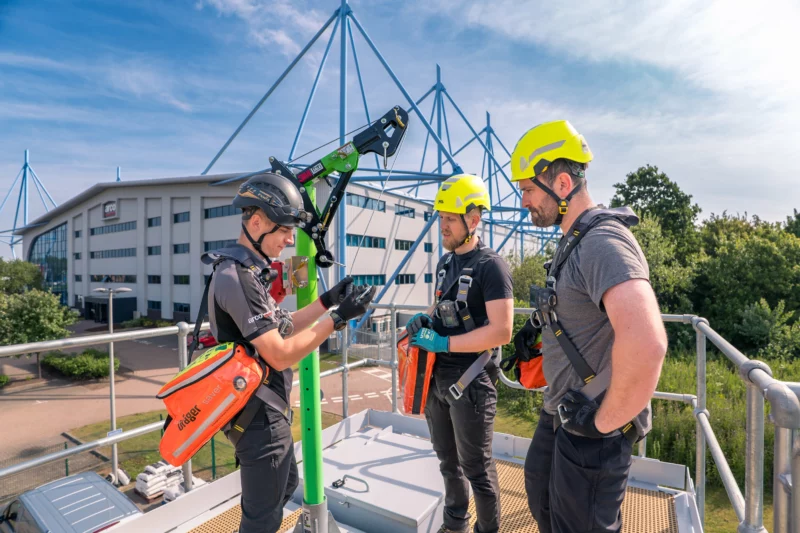
This state-of-the-art facility is the latest investment in Arco’s Professional Safety Services, designed to provide critical, hands-on training for workers in high-risk environments across Yorkshire and beyond. Working at height training takes place on Arco’s NDC rooftop, offering participants expert instruction and impressive views across the Humber. The site’s new training unit also houses a dedicated confined space practical facility (pictured).
The Hull centre is an expansion of Arco’s National Distribution Centre (NDC) site, integrating a dedicated learning academy and a new Customer Discovery Centre. This comprehensive hub combines product expertise, industry collaboration, practical and classroom training, with blended learning between both facilities.
Specialising in confined space and working at height, the facility features a confined space labyrinth and safe rooftop access for practical exercises. It also includes two modern classrooms, shower facilities, and onsite parking.
Key Training Courses Available in Hull:
- Confined Space: Working in Low Risk, Entrant and Entry Controller for Medium Risk.
- Working at Height: Courses ranging from rooftop safety to ladder safety.
- First Aid: Emergency First Aid at Work, First Aider at Work, First Aid at Height.
- General Health & Safety: Including Respiratory, IOSH courses and workplace compliance training.
Arco’s confined space and working at height courses are accredited by a range of recognised bodies, including City & Guilds, MATS, IRATA, CITB, and the Ladder Association. Accreditation varies by course, please refer to individual course details for specific awarding bodies.
Arco also offers a blended learning approach, incorporating e-learning, video conferencing, and virtual reality modules. Additionally, Arco Professional Safety Services provides mobile confined space units, a result of a £200,000 investment in 2023, capable of simulating diverse risks for on-site bespoke training.

Jamie Sadler, Commercial Director at Arco Professional Safety Services, commented: “We have invested significantly in our NDC site this year to make safety more accessible for our customers. This new centre of excellence demonstrates Arco’s approach to the future of health and safety; putting innovation, convenience and high-standards at the forefront.
“Working at height and confined spaces remain the most dangerous environments and therefore they require expert training and support. Access to bespoke training that provides people with the correct skills and capabilities to carry out their work safely is essential. Whether it is equipment, training or support, our experienced teams offer a complete solution.”
Steve Dawson, Training Manager from Arco, added: “We are delighted to deliver training that builds valuable skills for local people, supporting both their personal development and the needs of businesses in the community.”
For a full list of training courses available in Hull and to book now, please visit: https://www.arcoservices.co.uk/training
Article
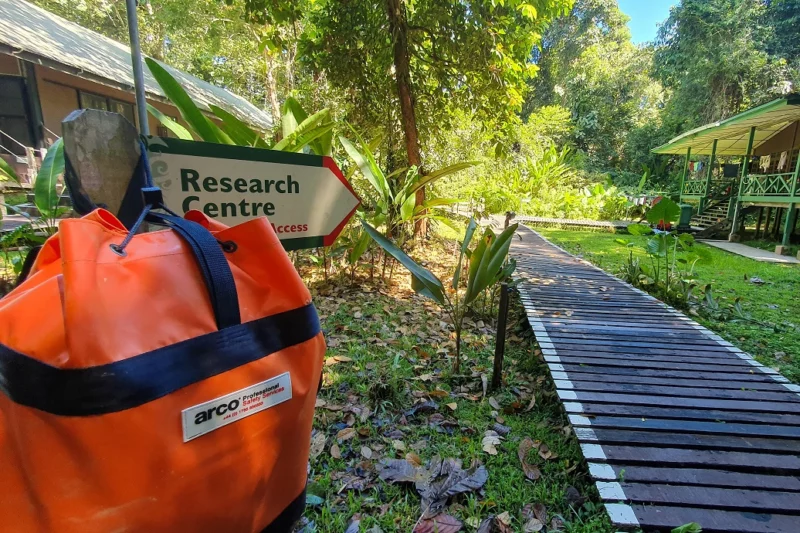
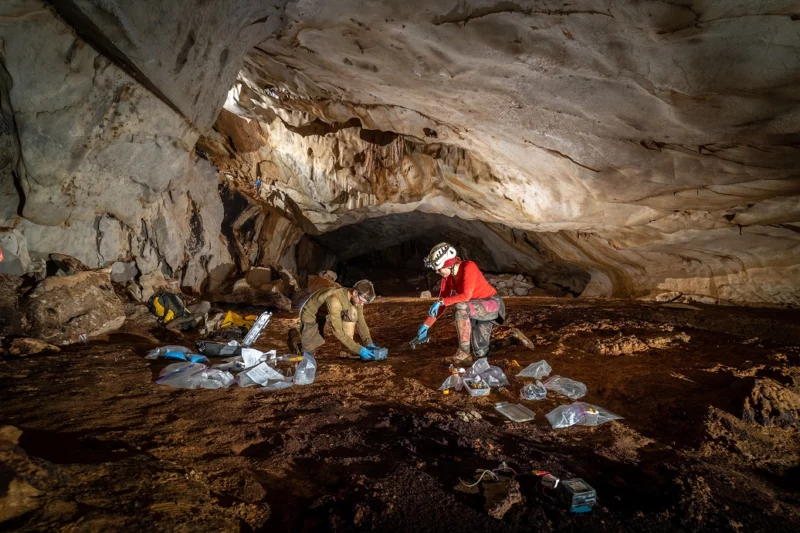
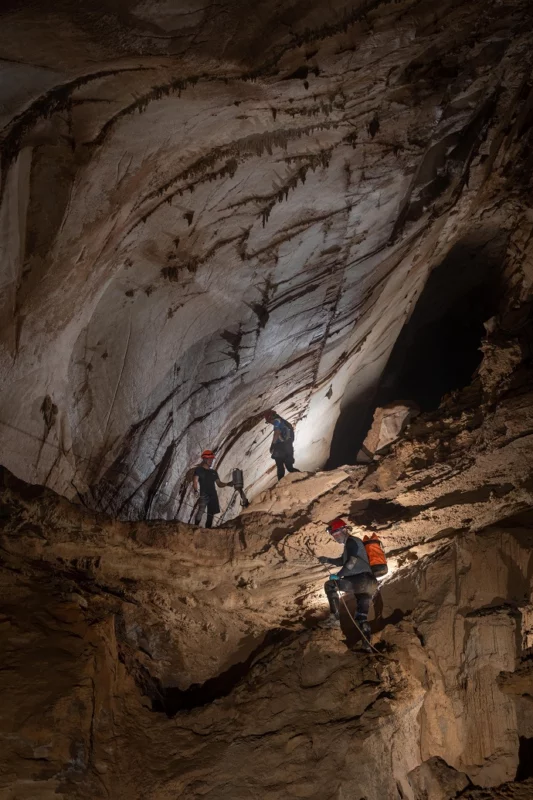
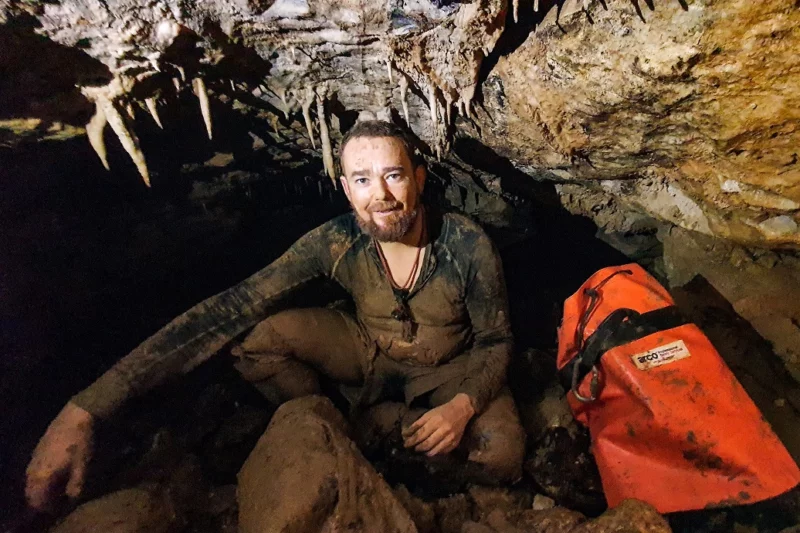
Arco Professional Safety Services Training Instructor, Bartek Biela, embarked on a pioneering expedition to Gunung Mulu National Park to support cave work efforts which could potentially lead to future confirmation of its status as the largest cave system in the world by volume.
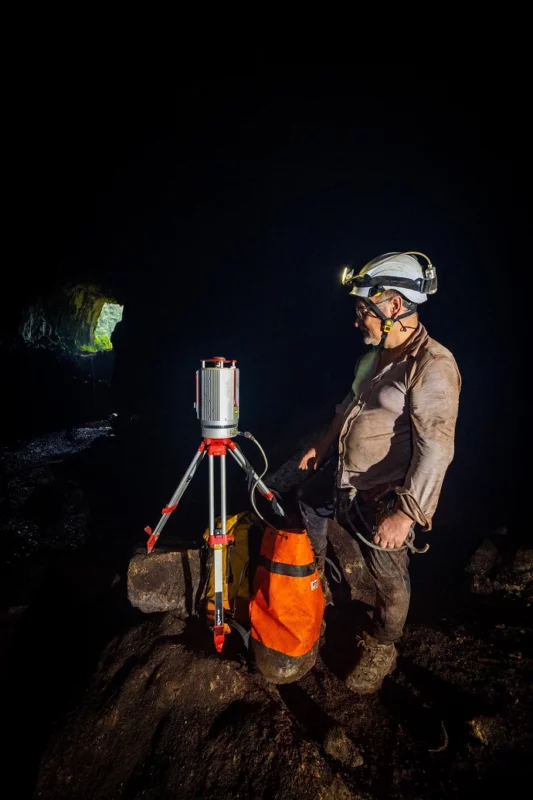
3D laser scanning was used to measure the volume of sections of the Clearwater Cave system and unveiled a vast connection, almost a kilometre long, leading to a chamber previously believed to be a dead end in earlier expeditions, adding a new layer of mystery to the intricate Mulu cave system. Today, larger passages are harder to find but the systematic approach employed to surveying of the smaller openings allowed the cavers to add hundreds of meters of new data to the master survey.
The three-week expedition, which comprised of 22 dedicated cavers and scientists to survey the caves, undertake scientific research and exploration, has also led to significant findings on the condensation corrosive effects to fabrics and plastics.
Agents that are present in the Mulu caves environment have been found to cause significant degradation of glued seams, stitching and other man-made polymers. These acidic gases are being tested by UK and American cave scientists to establish the causes of significant degradation of glued seams, stitching and other man-made polymers.
Bartek Biela, Training Instructor at Arco Professional Safety Services, commented: “I am immensely grateful to have received the invite call to be part of this amazing opportunity, that would give me a chance to meet and cave with the original explorers of the area, an opportunity that one does not refuse.
This expedition has delivered promising insight into the cave system and important, possibly even groundbreaking scientific research, not to mention the beauty of the underground landscape that I have had a chance to photograph”.
Richard Walters, the Expedition Surveyor said: “Acknowledging the challenging conditions of Mulu, renowned for its punishing environmental factors—extreme heat, humidity, mud, and frequent rainfall—these explorers faced the rigorous task of navigating caves that often require multiple days underground. Despite these barriers, the cavers emerged with compelling results that suggest the Clearwater Cave system may be the largest by volume in the world.”
As part of Arco Professional Safety Services’ sponsorship, the expedition was equipped with eleven tackle bags which proved to be extremely durable in the corrosive environment of the Mulu caves.